Bedding and bedroom care
Mattress Protectors Explained: Fit, Breathability, and Everyday Care
A mattress protector is a modest layer with an important job: helping keep the surface beneath your sheets cleaner and better shielded from everyday mishaps. Choosing one is less about finding a universal “best” and more about getting the details right—especially mattress depth, fabric feel, airflow, noise, and care instructions.
A mattress spends its life under sheets, out of sight and in close contact with the rhythms of a household. A glass of water tipped at bedtime, a child’s nighttime accident, perspiration, dust, and the gradual accumulation of everyday use can all affect the sleep surface. A protector creates a removable barrier between the mattress and some of that wear.
It is a practical piece of bedding, not a magic shield. Different protectors are built for different needs, and no single construction suits every sleeper or mattress. A waterproof layer may offer stronger defense against liquid, for example, while a lighter fabric cover may prioritize a less noticeable feel. The right choice depends on what needs protecting, how the bed is used, and how much maintenance feels manageable.
Three questions provide a useful starting point: Will it fit the mattress securely, including any topper? Will the materials feel comfortable and allow a suitable level of airflow? And can it be washed and dried according to a routine you will actually follow? Answer those, and the crowded vocabulary of mattress covers becomes easier to navigate.
What a mattress protector does—and what it does not
A mattress protector is a layer designed to reduce exposure to common sources of soil, moisture, and wear. Depending on its construction, it may help guard against spills, perspiration, dust, or allergens. Some models cover only the top and sides of a mattress; others encase it more fully, often closing with a zipper. These designs are not interchangeable, so the label and care guide matter.
It helps to distinguish a protector from a mattress pad or topper. A pad typically adds cushioning or changes the feel of the bed, though some pads include protective features. A topper is primarily intended to alter comfort by adding a layer of material. A protector, by contrast, is primarily intended to form a barrier. Product names can be used inconsistently, so look beyond the headline and check the construction and stated purpose.
Protection also has limits. A water-resistant surface may handle small or brief spills differently from a fully waterproof barrier, and seams or closures can affect how well a cover contains liquid. A protector cannot make an old mattress new, correct a poor foundation, or guarantee that every contaminant is excluded. Consider it one part of a broader bedding-care routine.
For people managing a particular health concern, allergy, or incontinence issue, general product descriptions may not answer every question. Check the exact specifications and, when appropriate, ask a qualified health professional about individual needs. Claims about allergen or pest protection should be read carefully: construction, coverage, and upkeep all influence practical performance.
Fit begins with a tape measure
The most useful measurement is not simply the mattress size—twin, queen, or king—but the mattress’s full height. A protector that is too shallow may strain at the corners, ride up during the night, or leave sections exposed. One that is excessively deep may feel loose and wrinkle beneath the sheet. Either problem can turn a seemingly simple purchase into a persistent annoyance.
Measure the mattress from its base to its highest point, including any pillow-top or built-in cushion. Then account for a separate topper if one will remain on the bed beneath the protector. The protector must fit around the full stack it is meant to cover, not only the mattress as it came from the manufacturer. If the topper is temporary, decide whether it belongs inside or outside the protected layer and measure accordingly.
Product listings may describe this dimension as pocket depth, fitted depth, or mattress height. Check the stated range rather than relying on a single number. A range gives some allowance for variations in mattress profile, but the actual fit still depends on fabric stretch, corner design, and how much material must tuck under the mattress.
Before ordering, confirm the bed’s width and length as well. Labels for bed sizes are common, but dimensions can vary by country and sometimes by product design. Split configurations, extra-long mattresses, and adjustable-bed arrangements deserve particular attention. If a protector is intended for a split mattress, verify whether the listing describes one large cover or separate pieces.
- Measure the full height: Include pillow-tops and any topper that will sit beneath the protector.
- Check the pocket-depth range: Compare it with your measurements instead of guessing from the size label.
- Consider the attachment: Fitted-skirt designs stretch over the corners; encasements cover more of the mattress and use a closure.
- Recheck after laundering: Follow care instructions to reduce the chance of avoidable shrinkage or distortion.
A smooth surface matters for more than appearance. Excess fabric can bunch under a fitted sheet, while a tight protector can pull at seams or slip off. Once installed, run a hand over the sleeping surface and check all four corners. The protector should lie evenly, without tension that feels likely to undo itself as the bed is used.
Breathability, temperature, and the feel of the layer
“Breathable” is a useful word, but it is not a complete specification. The feel of a mattress protector depends on the face fabric, any waterproof or moisture-resistant membrane, the thickness of the layers, and how those components are joined. A cover may feel soft in a store and still alter the bed’s temperature or texture once it is stretched tightly beneath sheets.
Fabric names offer clues, not guarantees. Cotton is familiar and can feel absorbent and comfortable, while polyester and blended fabrics may be chosen for stretch, durability, or easier care. Knits often have more give than tightly woven fabrics. A waterproof membrane can add a barrier, but its presence and construction may affect how much heat and moisture pass through the complete protector. Material labels are more informative when read together with details about the full product.
There is no single ideal temperature for every sleeper, and a protector is only one part of the bed’s microclimate. Sheets, blankets, mattress materials, room conditions, pajamas, and personal preferences all contribute. If you tend to feel warm, seek clear information about fabric and membrane construction, then consider choosing a lower-profile design that does not add unnecessary bulk. If spill protection is the priority, decide how much breathability you are willing to trade for that barrier.
Noise is another small detail that can become large at night. Some protective layers may rustle or feel stiff, especially when new or tightly fitted. Others are designed to be quieter, but descriptions such as “silent” are not a substitute for understanding the material. When possible, check return terms and laundering guidance before purchase; washing according to directions may soften some fabrics, though it cannot be assumed to change every protector’s feel.
Feel is personal, and a protector should not be expected to transform a mattress dramatically. A thick quilted pad may add cushioning, while a thin cover is more likely to preserve the original surface feel. If preserving the mattress’s existing comfort is important, look for a low-profile option and read the description for language about padding or quilting.
Waterproof, water-resistant, or simply protective?
These terms describe different levels or types of defense, and labels do not always make the distinction obvious. A waterproof protector is generally designed to prevent liquid from passing through the protected surface under stated conditions. Water-resistant fabrics may repel or delay moisture but might not contain a larger spill. A non-waterproof protector can still help reduce routine soil and wear, depending on its design.
Ask what the barrier covers. A fitted protector may guard the top and sides, while an encasement surrounds more of the mattress and closes with a zipper. Full enclosure may be relevant when the goal is to limit exposure around the entire mattress, but zipper quality, seams, and the product’s exact claims matter. A cover that appears enclosed is not automatically certified for every pest, allergen, or liquid concern.
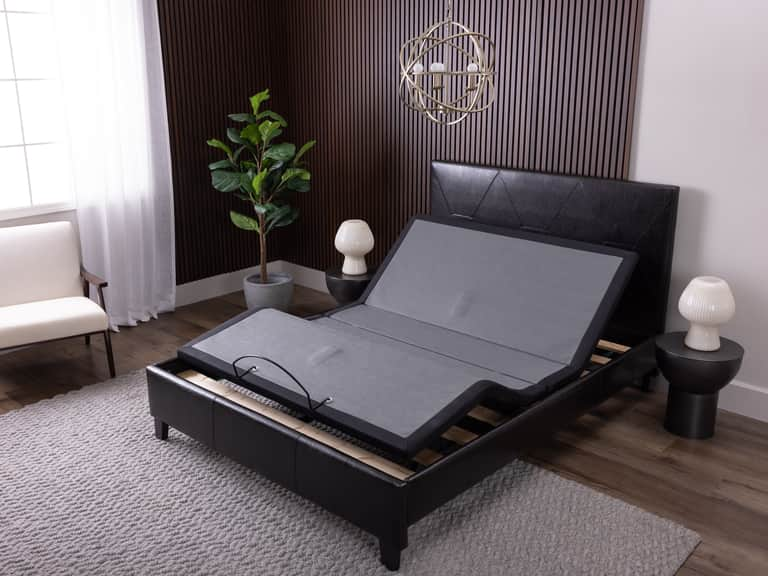
Think in ordinary scenarios. For occasional spills, a washable protector with a suitable moisture barrier may be sufficient. In a household with young children, pets, or frequent overnight guests, easy removal and straightforward laundering may be just as important as the barrier itself. Where a mattress is used on an adjustable base, confirm that the protector can flex with the bed and remains securely fitted across its range of movement.
For adjustable beds, inspect both the mattress maker’s guidance and the protector’s instructions. A protector that is overly tight, bulky, or poorly fitted may shift as the head and foot sections move. Flexible fabric and a secure fit can help, but compatibility should be confirmed rather than assumed.
Everyday care: read first, wash deliberately
Care requirements can make the difference between a protector that becomes part of the routine and one that is left in place until a problem occurs. Before buying, check whether the item is machine washable, what water temperature is recommended, whether bleach is prohibited, and how it should be dried. A membrane or bonded layer may have different limits from ordinary sheets.
High heat can damage some waterproof coatings or cause shrinkage, while harsh cleaners may weaken fabrics or finishes. These outcomes are not universal, which is precisely why the manufacturer’s instructions should take precedence over a generic laundry habit. If the label calls for low-temperature drying or line drying, that direction is part of the product’s practical cost in time and effort.
Regular laundering can help keep bedding fresher, but frequency depends on use, household needs, and the product’s instructions. Wash the protector when it is soiled, after a spill, or as part of a sensible maintenance schedule. If the cover is used to address a specific hygiene or allergy concern, follow advice from an appropriate professional rather than relying on a one-size-fits-all interval.
When a spill happens, remove the sheets and address the protector promptly. Blot rather than aggressively rubbing, and follow the care guide for cleaning. If moisture has reached the mattress, consult the mattress manufacturer’s cleaning advice. Avoid soaking the mattress or applying unapproved chemicals; excessive moisture can create its own problems and may affect warranty conditions.
Make sure the protector is fully dry before putting it back on the bed. Trapped dampness can leave an unpleasant smell and undermine the purpose of clean bedding. A spare protector can make rotation easier for households that rely on one daily, but it is not essential. The simplest useful routine is the one that fits the household and respects the product’s instructions.
- Remove the protector carefully, especially if it has a zipper or fitted elastic.
- Check the label for washing temperature, detergent guidance, and drying limits.
- Treat stains promptly using methods permitted by the manufacturer.
- Allow the protector to dry completely before refitting it.
- Inspect seams, elastic, and closures periodically for wear or damage.
Common mistakes to avoid
The first is choosing by bed-size name alone. Two mattresses labeled queen can have different profiles, and a topper changes the height the protector must accommodate. A few minutes with a tape measure can prevent a cover that pulls loose or leaves corners exposed.
The second is treating thread count as a measure of overall performance. Thread count is relevant to some woven fabrics, but it says little by itself about waterproofing, membrane construction, noise, or care. For protectors, the complete build and the stated maintenance instructions are more useful than one isolated number.
The third is assuming every protector is quiet, cool, or waterproof because its marketing uses broad comfort language. Look for specific descriptions and read the care details. If a listing does not explain the layer construction or the fit range clearly, consider asking the manufacturer before making a decision.
Finally, avoid putting a protector on a damp mattress or storing one while wet. Either practice can trap moisture. Let the mattress and cover dry completely, and follow product instructions for both. Good care is not complicated, but it depends on patience and the right guidance.
A practical checklist before you choose
In the end, the best mattress protector is not necessarily the one with the longest feature list. It is the one that fits the bed, meets the household’s actual protection needs, feels acceptable under the sheets, and can be cared for without special effort becoming a burden. Use this checklist to compare options on equal terms:
- Measure: Record mattress width, length, and total depth, including any topper.
- Define the need: Decide whether the priority is liquid protection, routine soil, fuller enclosure, or a combination.
- Check the build: Review face fabric, barrier material, seams, closure, and coverage area.
- Think about comfort: Consider thickness, stretch, temperature, and possible rustling.
- Read the care label: Confirm washing and drying requirements before you commit.
- Verify compatibility: Check suitability for toppers, adjustable bases, and the mattress manufacturer’s guidance.
- Look at practical terms: Review warranty details and return conditions, especially if feel or fit is uncertain.
A protector rarely attracts attention when it is doing its job. It sits beneath the sheet, works quietly in the background, and is remembered mainly when a spill occurs or laundry day arrives. Yet the details—an accurate pocket depth, a surface that feels right, a barrier suited to the household, and care instructions that make sense—determine whether it earns that unobtrusive place in the bed.