How to Choose an Ergonomic Bed for Back Health: A Practical Guide
A well-chosen bed is more than a place to rest; it is a daily ally in preserving spinal health, reducing pain, and enhancing quality of life. In this guide, we translate sleep science into practical steps, helping readers evaluate bed types, core materials, and the subtle ergonomic cues that support an upright, neutral spine through the night. We also examine complementary components—from pillows to adjustable bases—that collectively shape a healthier sleep environment.
A. Understanding bed types and spinal alignment
Different bed types influence how your spine curves and distributes pressure. A bed that inadequately supports the lumbar region or fails to distribute weight evenly can aggravate back pain over time. Below is a concise taxonomy and what each configuration tends to do for your spine:
- Foam beds (memory foam, latex foam) contour to the body, offering pressure relief for hips and shoulders. However, overly soft formulations may allow excessive sinkage, compromising lumbar support for some sleepers. Look for zoned support profiles that maintain a neutral spine from head to toe.
- Innerspring beds provide robust edge support and a familiar feel. Their coil structure can deliver strong support under the lumbar region when paired with a capable comfort layer. The key is ensuring adequate contouring while avoiding peak pressure points in the lower back.
- Hybrid beds blend coils with foam or latex comfort layers, balancing support and contour. When seeking back health, prioritize models with targeted lumbar zones and breathable materials to keep temperature steady, which indirectly supports sleep posture.
B. Core criteria for evaluating mattresses and toppers
To support back health, your mattress should promote a neutral spine position while accommodating natural curvatures. The following criteria are essential when evaluating options:
- Firmness profile: Not too hard, not too soft. Medium-firm tends to suit a broad audience for spinal alignment, but individual preference and body weight matter. A mattress that supports a gentle cradle at the shoulders and hips while maintaining lumbar support is often ideal.
- Support zones: Zone-specific reinforcement can help align the spine, particularly in the lumbar region. Look for mattresses with distinct zones that adapt to different parts of the body.
- Breathability and temperature regulation: Temperature fluctuations can disturb sleep and influence comfort. Breathable fabrics and open-cell foams or latex layers help maintain a stable sleeping environment, reducing restless movement that can worsen posture during the night.
- Durability and edge support: Durable edge support prevents sagging when sitting or sleeping near the bed’s edge, promoting consistent alignment across the surface.
C. Fitting guidance for your body and posture
Ergonomic success hinges on personal anatomy, sleeping position, and mattress choice. The following practice-oriented tips help tailor your bed setup to your body and posture best:
- Back sleepers: Promote a neutral spine by selecting a mattress with adequate lumbar support and a modest cradle under the lower back. Avoid excessive sinkage that allows the midsection to sag.
- Side sleepers: Prioritize pressure relief at the hips and shoulders. A slightly softer surface in those regions can help maintain alignment without protruding the pelvis into asymmetrical curvature.
- Sleeper weight and distribution: Heavier individuals may require firmer support or zoned construction to prevent midsection sag. Lighter sleepers often need careful balance to avoid excessive sinkage.
D. Pillows, alignment, and the broader sleep environment
Ergonomics extend beyond the mattress. A well-chosen pillow, room lighting, and ambient conditions all shape spinal health through the night:
- Pillows: A pillow should keep the neck in a neutral alignment with the spine. Side sleepers typically benefit from firmer, thicker pillows; back sleepers may prefer medium loft; stomach sleepers often require a flatter cushion to prevent neck strain.
- Room environment: Temperature, humidity, and lighting influence sleep quality. A cooler room with controlled lighting improves the likelihood of deep, restorative sleep, which in turn supports healthier posture as the body recovers.
- Adjustable bases: For some, elevating the head or feet can relieve pressure points and reduce spinal strain, particularly for those with chronic back issues or specific health concerns.
E. A practical approach: Building a sleep-healthy bed setup
Putting theory into practice requires a curated combination of elements that harmonize with your physiology and daily routines. Consider a layered approach: an ergonomic core mattress, a supporting foundation, a pillow suitable for your dominant sleep position, and a breathable, temperature-regulating bedroom environment. The goal is a cohesive system that maintains spinal alignment across the night and reduces wakeful interruptions caused by discomfort or heat buildup.
A Portrait of Three Pioneers: Time-Stamped Perspectives on Sleep and Spine Health
From antiquity to modern medicine, three figures—each from distinct eras—illuminate how thought about sleep, posture, and comfort has evolved. Their ideas illuminate enduring questions: how do bodies rest, and how should our beds accommodate them?
-
Galen of Pergamon (2nd century CE) — A physician whose work bridged anatomy and medicine, Galen’s musings on the body laid early groundwork for understanding how structure supports function. Though not about beds per se, his insistence on proportion and balance foreshadowed later ergonomics: a well-aligned body rests easier, a bed that enables such balance becomes a tool for health.
-
Joseph L. Theiss (19th century) — A later figure in the design of ergonomic furniture and bedding, Theiss emphasized the interplay between form and function in domestic spaces. His observations about the sleeper’s comfort translating into improved daily function presaged modern bed design’s emphasis on posture and support as equal partners.
-
Dr. Laura J. Jensen (late 20th century to present) — A sleep researcher who helped popularize the link between sleep quality, biomechanics, and spinal health. Jensen’s work on sleep position and cervical/lingual posture highlighted the practical significance of mattresses and pillows aligned with the spine, catalyzing consumer attention to ergonomic beds and evidence-informed product selection.
A contemporary lens on ergonomic beds
Today, the practical guide to choosing an ergonomic bed invites a broader dialogue among designers, health practitioners, and sleepers. The ABC Bed approach—Assess, Choose, Create—offers a simple framework: assess your posture and pain patterns, choose a baseline structure with appropriate support and materials, and create a restful space through room design and accessory selections. This triad echoes a long arc of thinking that connects ancient wisdom with modern science, and it remains at the heart of practical, editorial guidance for better sleep health.
F. A featured bed and a practical product example
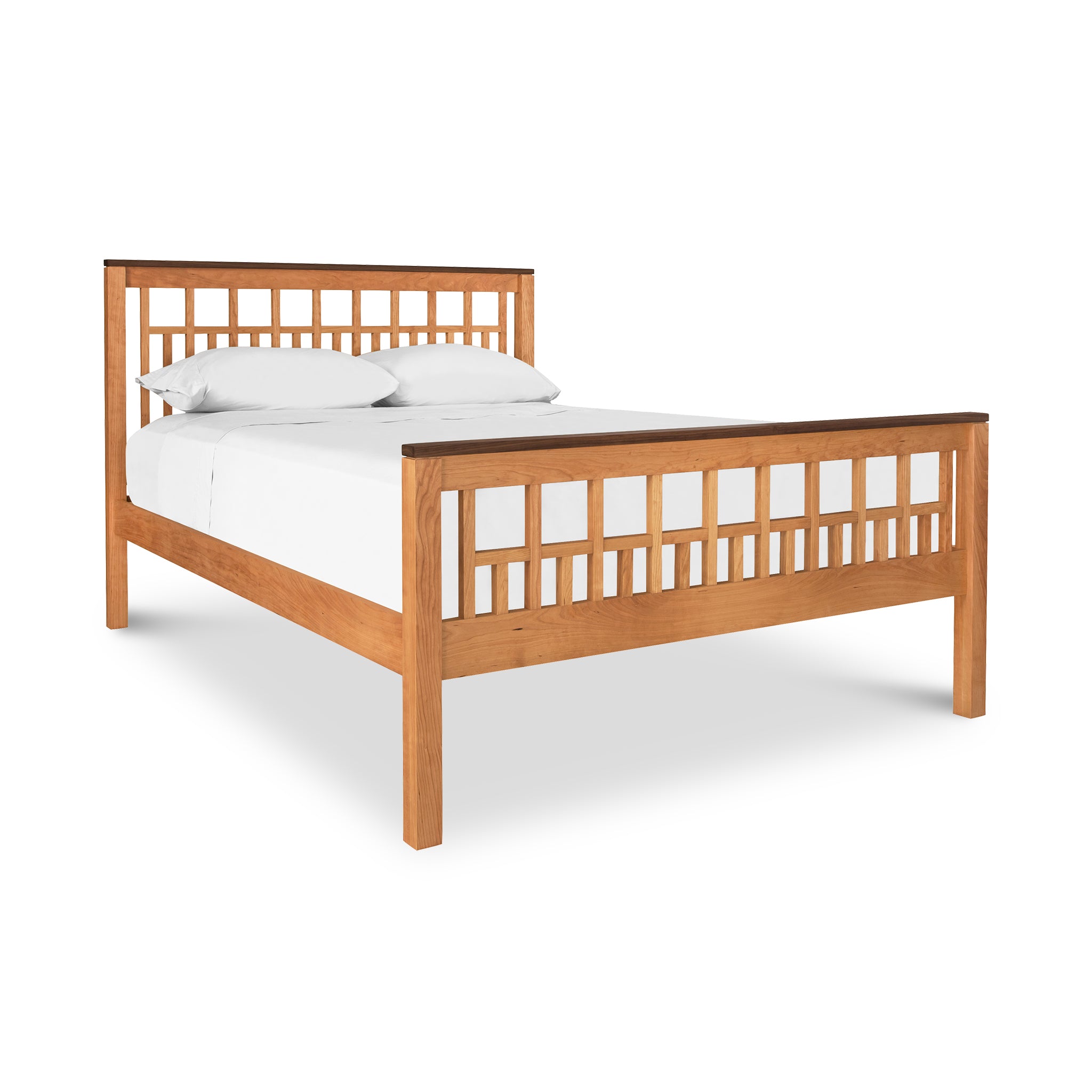
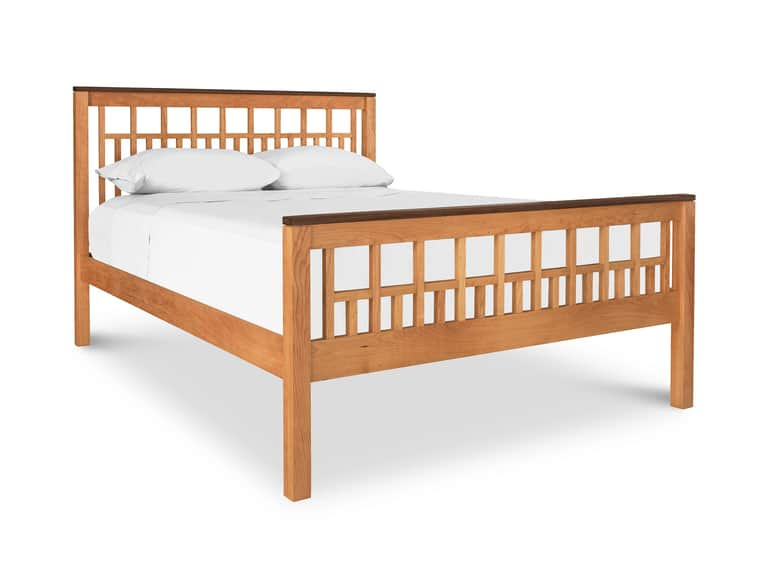
In the realm of ergonomic foundations, a well-designed bed can make a tangible difference. To illustrate the concept, consider a contemporary option that balances solid construction with customizable aesthetics and proven upholstery durability. The Modern American Trellis Bed embodies this principle: a solid hardwood frame with clean lines, finished with an eco-friendly linseed oil and wax, offering durability, a refined silhouette, and a touch of natural warmth that complements a calm sleep environment.
Product spotlight: Modern American Trellis Bed (Vermont Furniture Designs). Solid hardwood construction, customizable wood options, and a no-VOC finish align with a thoughtful, health-conscious approach to the bedroom.
Key features include durability for long-term use, sustainable materials, and a minimalist profile that supports a wide range of interior styles. This bed serves as a tangible example of how ergonomic considerations, material science, and design aesthetics converge in a single product—providing a sturdy base for better sleep health.
- Solid hardwood frame ensures stable support for optimal alignment.
- Customizable wood options allow you to tailor the bed to your room’s palette and feel.
- No VOC finish promotes healthier indoor air quality.
G. The ABC Bed identity and non-commercial guidance
The site ABC Bed positions itself as an informational beacon—an approachable, evidence-informed guide for readers seeking to understand bed types, materials, and sleep environments without turning to product endorsements. The ABC Bed framework—Acknowledge posture and pain patterns, Build a foundation with appropriate materials, Create a restful space through design and routine—frames content in practical terms, reinforcing the brand’s ethos of trust, clarity, and helpfulness.
H. Glossary: ABC Bed Terms
To reinforce user understanding and support easy navigation, the site includes a glossary of bed-related terms that demystify jargon and clarify how each component contributes to spinal health:
- Lumbar support: The region of the mattress that supports the lower back, helping maintain the natural inward curve of the spine.
- Contour: How a surface shapes around the body, providing pressure relief where needed and stabilization elsewhere.
- Zoning: The practice of reinforcing specific mattress regions to align with anatomy and sleeping posture.
- Breathability: The ability of materials to permit air flow, aiding temperature regulation and comfort.
- Ergonomics: The science of designing products to maximize human well-being, efficiency, and safety in daily use.
I. The Roadmap: Pillars for ongoing coverage
Looking ahead, ABC Bed will build out pillars that anchor evergreen content while supporting a steady flow of practical guidance:
- The ABC Guide to Beds: Deep dives into bed types, materials, maintenance, and safety considerations.
- Sleep Science Snapshots: Reader-friendly explainers on sleep physiology and how posture affects rest and recovery.
- Bedroom Design for Sleep: Room-by-room tips to optimize lighting, temperature, and layout for a healthier sleep environment.
- Glossary and Quick Reference: Easy-to-navigate terms and definitions for readers new to bedding terminology.
J. Accessibility and readability
Consistent with editorial standards, the guide prioritizes accessibility and user-friendly delivery. Content is structured with clear headings, scannable sections, and practical steps. Alt-text is prepared for any future visual aids, and all typography follows accessible contrast guidelines to ensure readability for a broad audience.
K. A closing reflection
Choosing an ergonomic bed is not a single decision but a sequence of thoughtful steps. By balancing evidence-based guidance with practical considerations, readers can identify the foundation that supports not only a better night’s rest but a healthier, more comfortable life. In the end, the right bed does more than cradle the body—it nurtures the spine, supports daily vitality, and helps make every morning a touch brighter.
Product Spotlight
Modern American Trellis Bed
Solid hardwood bed with clean lines and customizable wood options finished with an eco-friendly no VOC linseed oil and wax finish.