Furniture as a category encompasses items designed to define living spaces through function, comfort, and environmental consideration. This section highlights how furniture selections influence room layout, storage solutions, and daily routines. Understanding materials, construction quality, and ergonomic design supports informed decisions for durable, long-term use.
Within this category, key features to consider include frame construction, joinery, and finish durability. For instance, solid wood or engineered alternatives offer varying levels of stability and resistance to wear. Attention to weight capacity, safety standards, and compatibility with room measurements ensures pieces contribute positively to daily ergonomics and space planning.
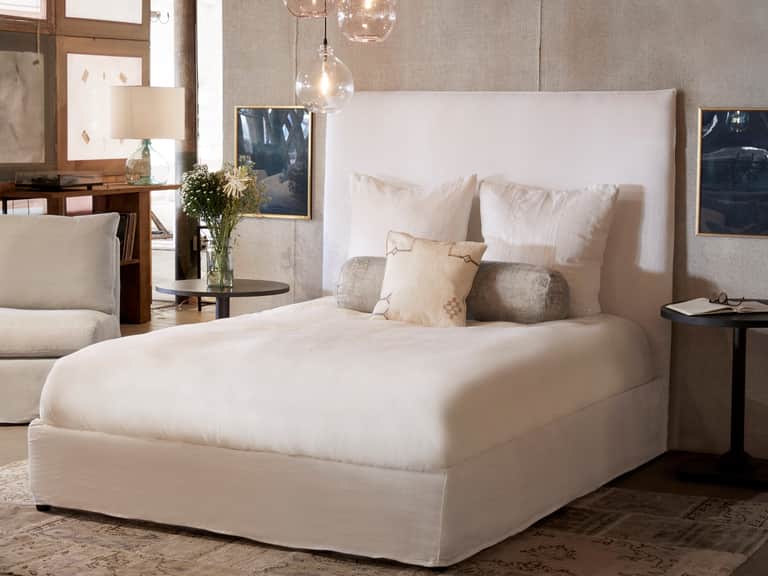
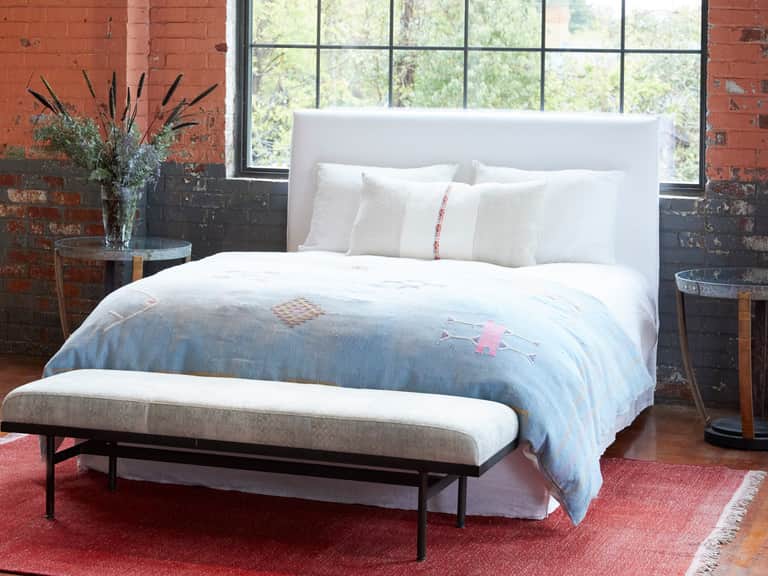
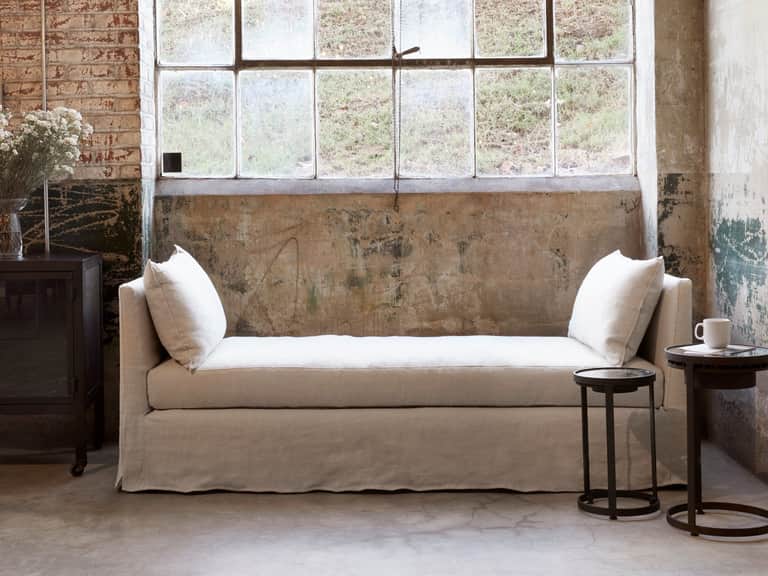
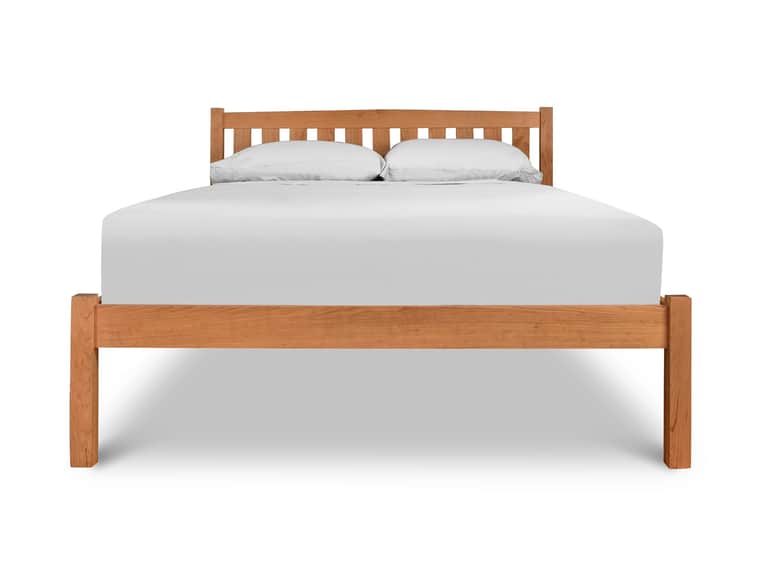
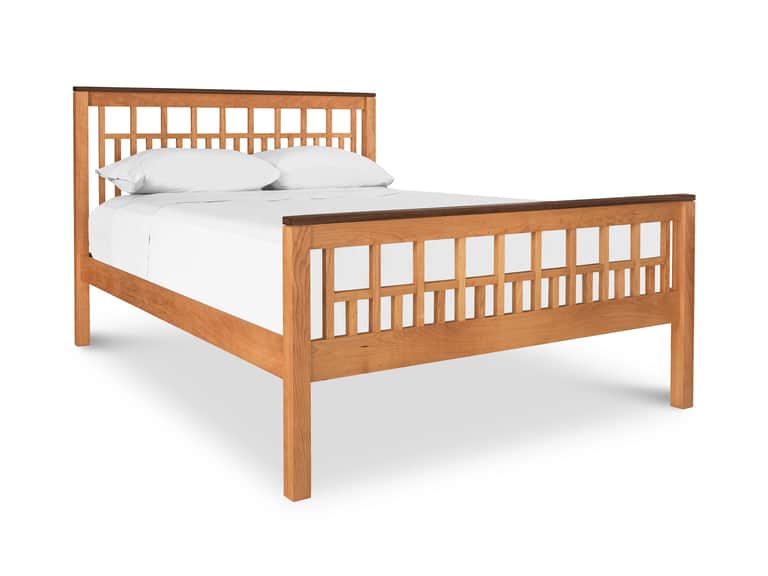
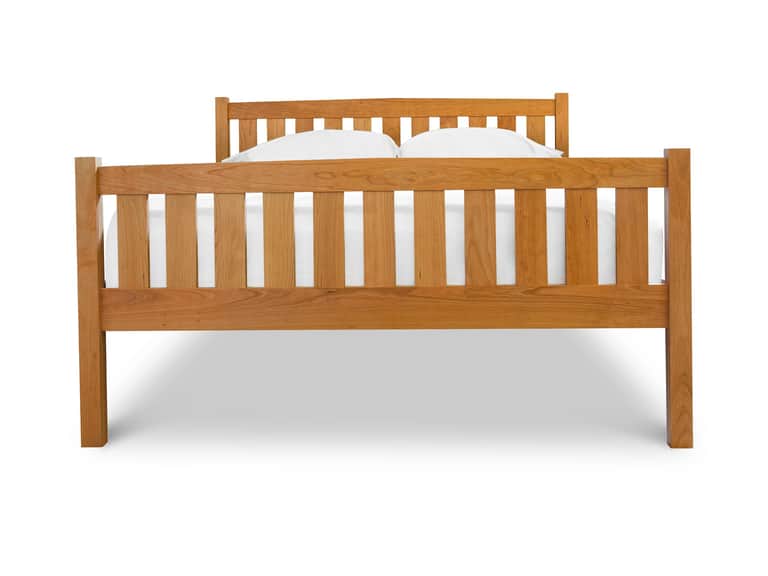
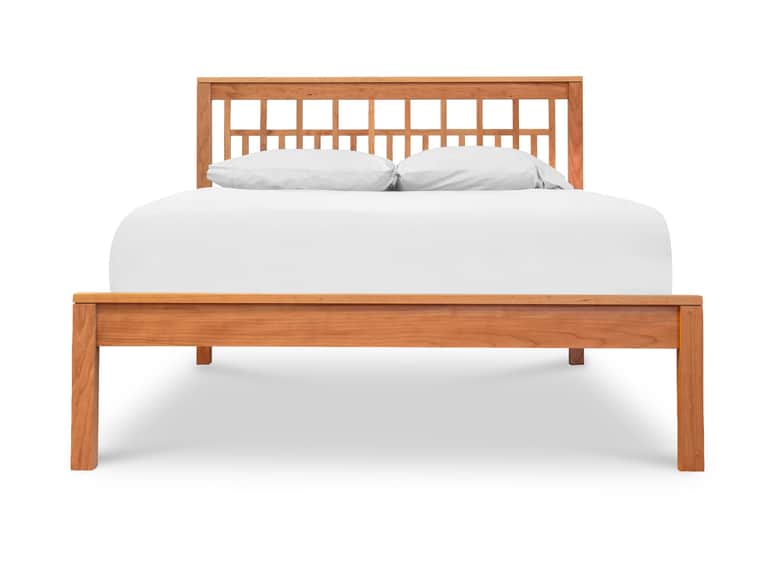
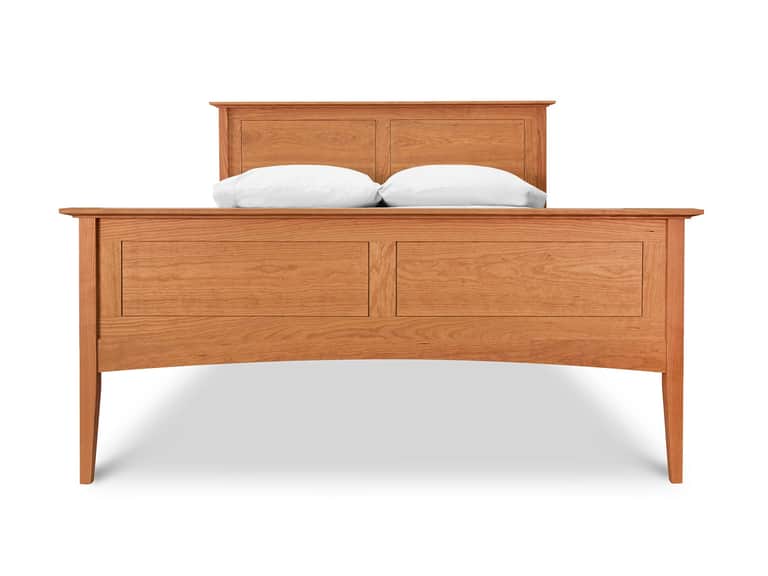
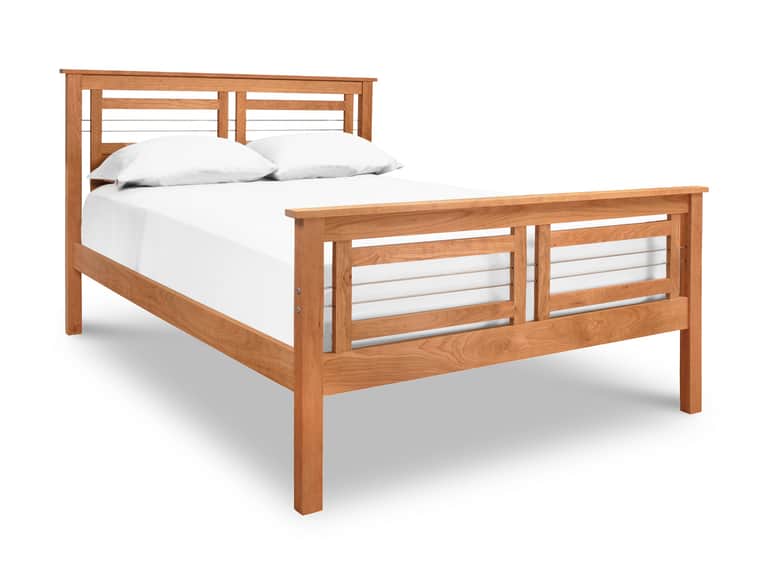
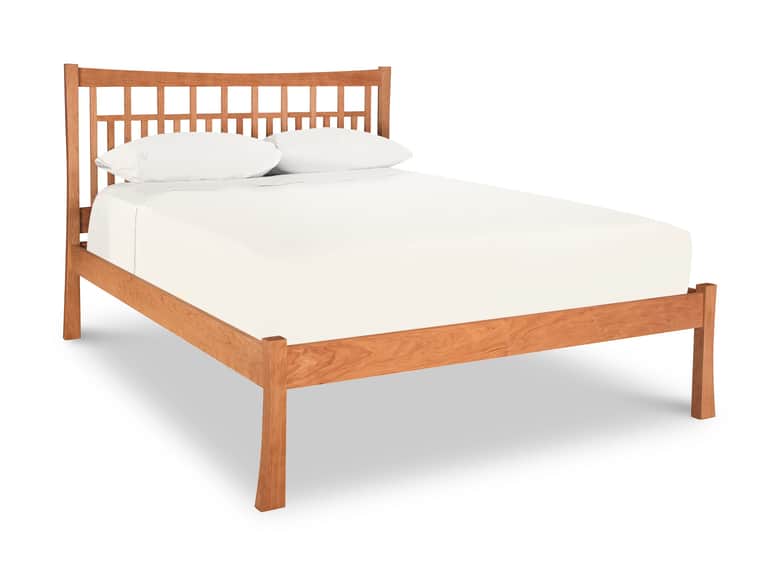
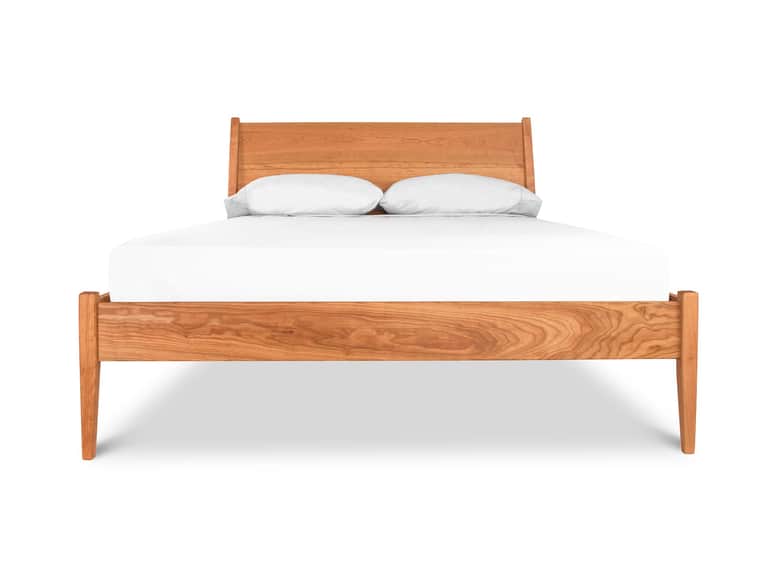
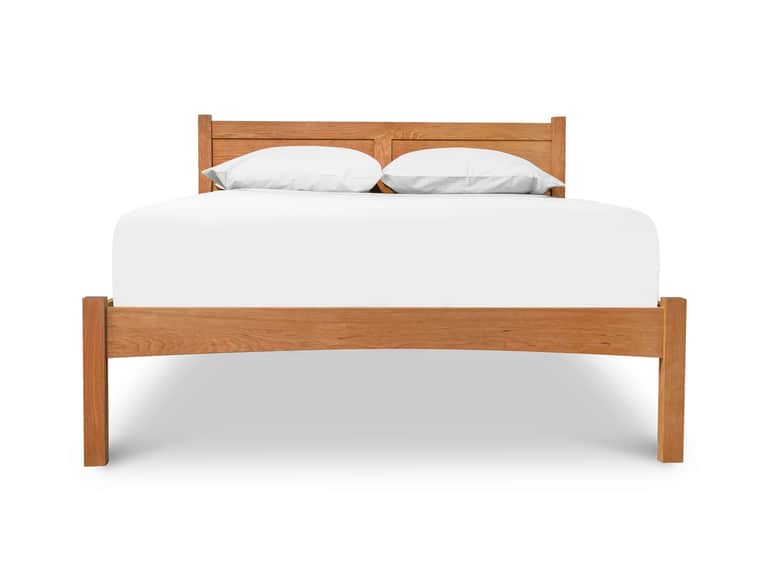
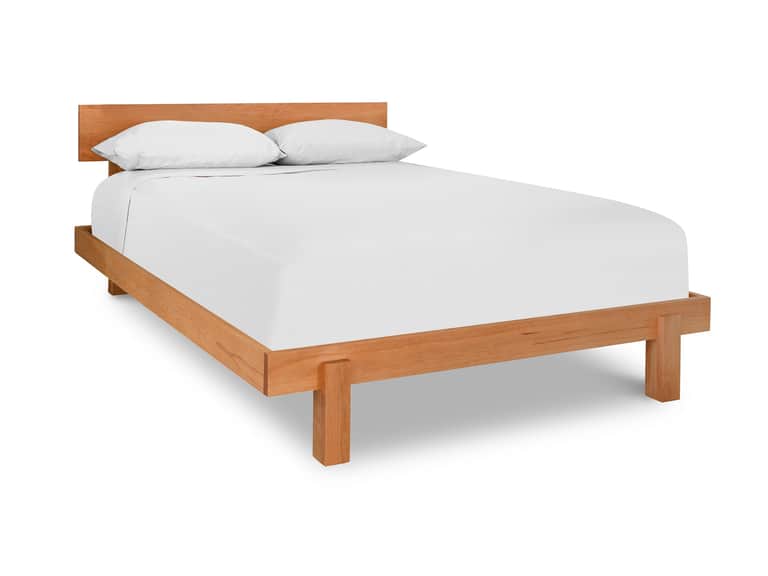
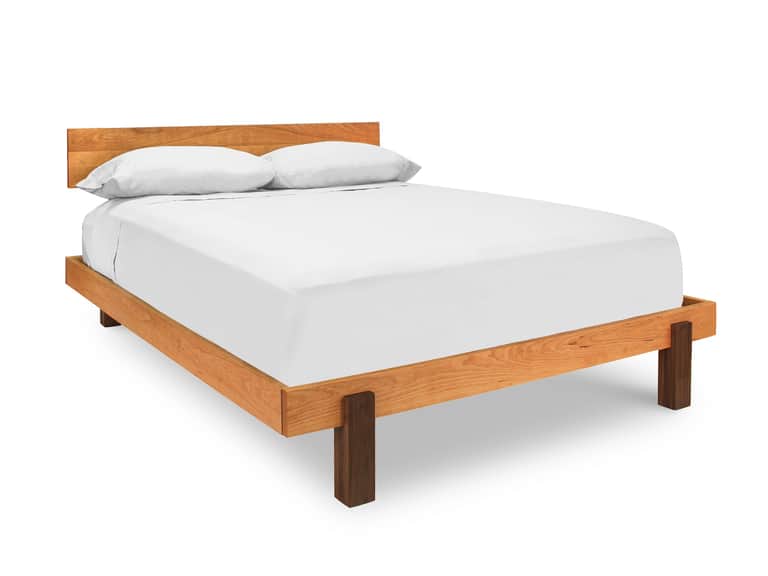
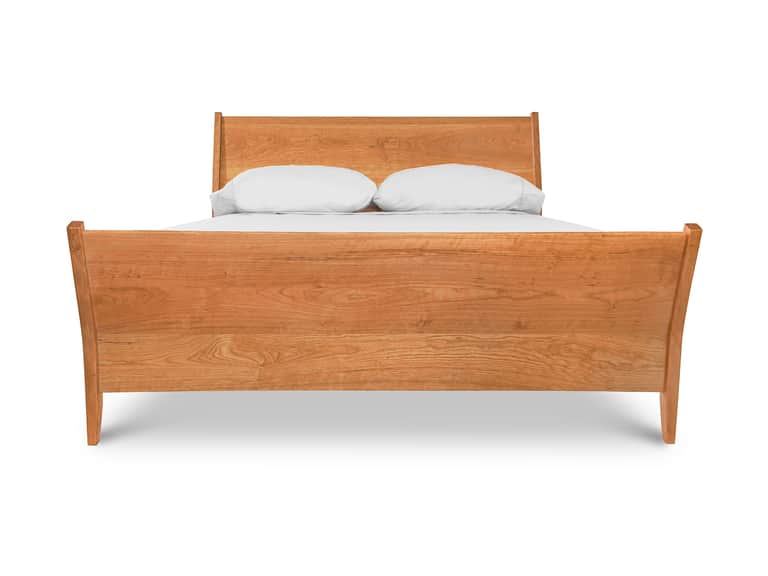
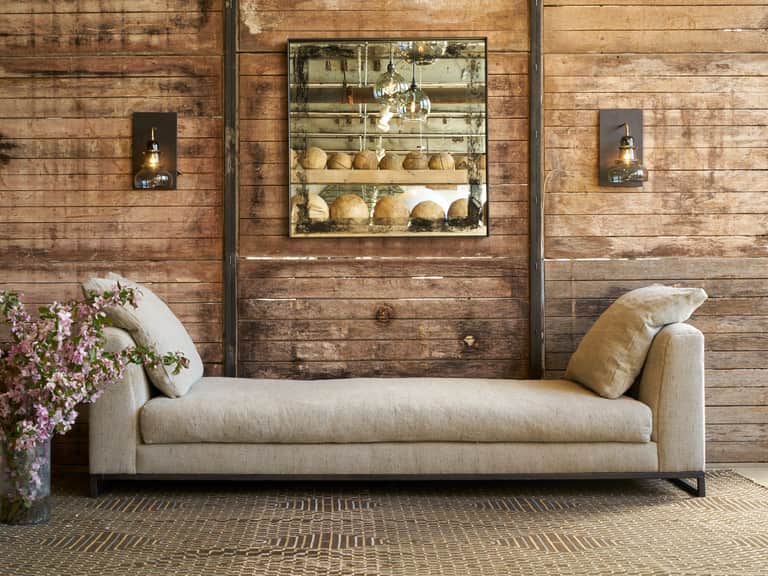
Product examples such as the Cisco Home April Tall Bed, Cisco Home April Bed, and Cisco Home April Daybed illustrate diverse configurations for different needs. The tall bed emphasizes vertical clearance and air flow under the frame, while standard beds balance support with low-profile aesthetics. The daybed offers flexible seating with a subset of sleeping functionality.
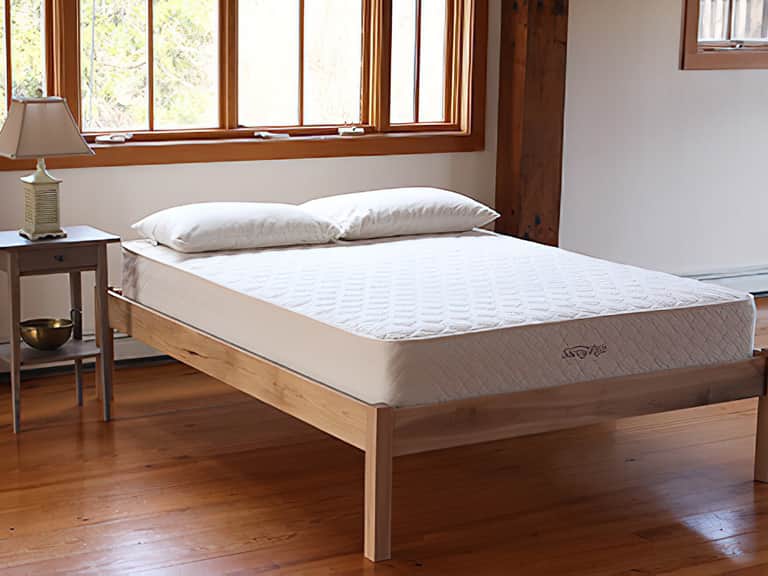
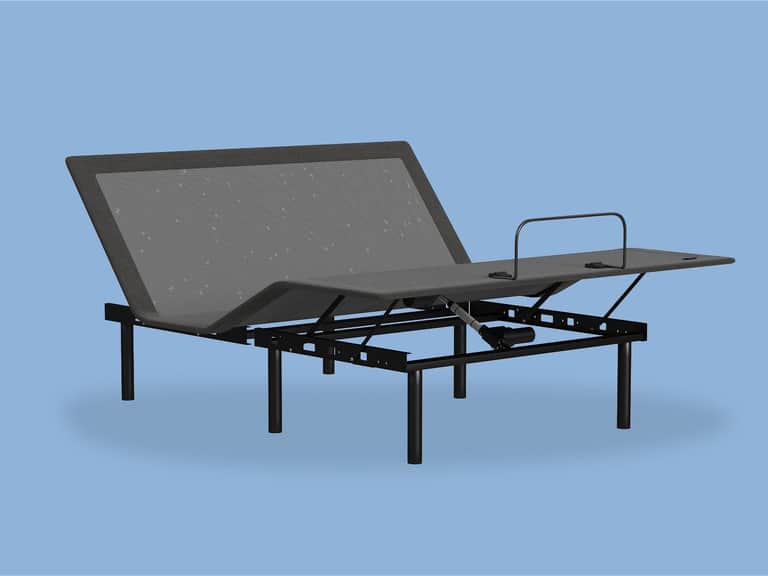
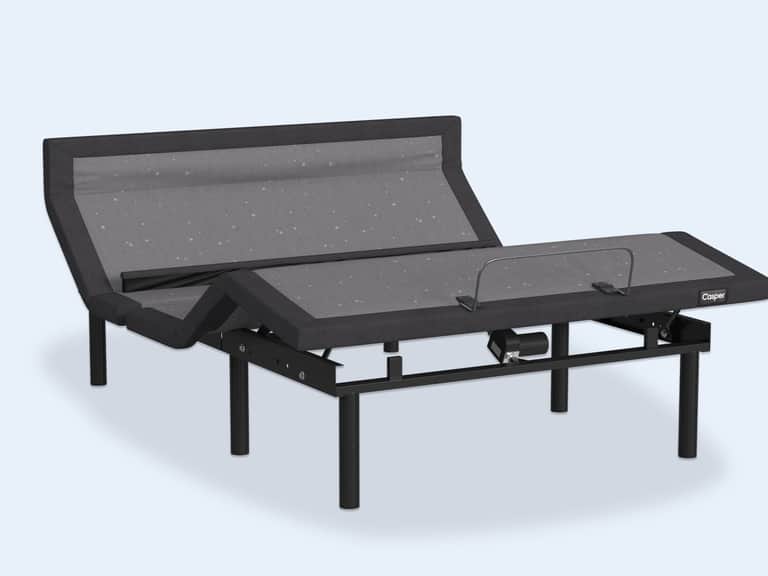
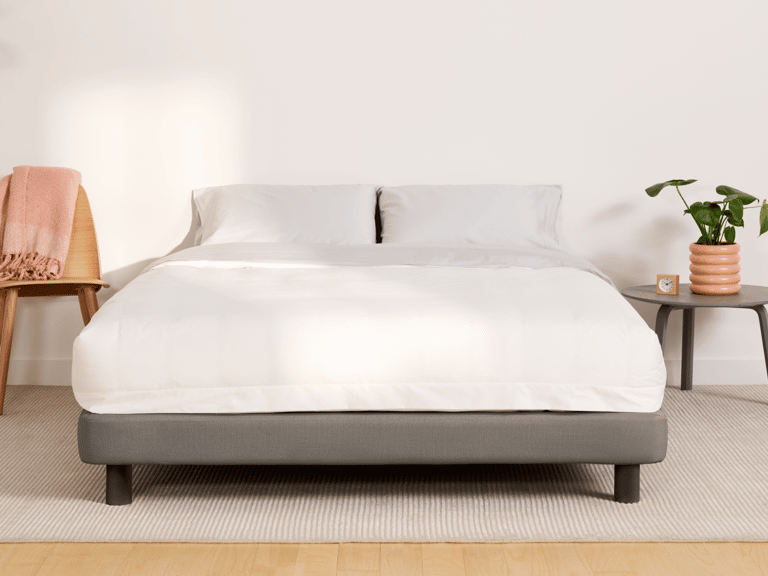
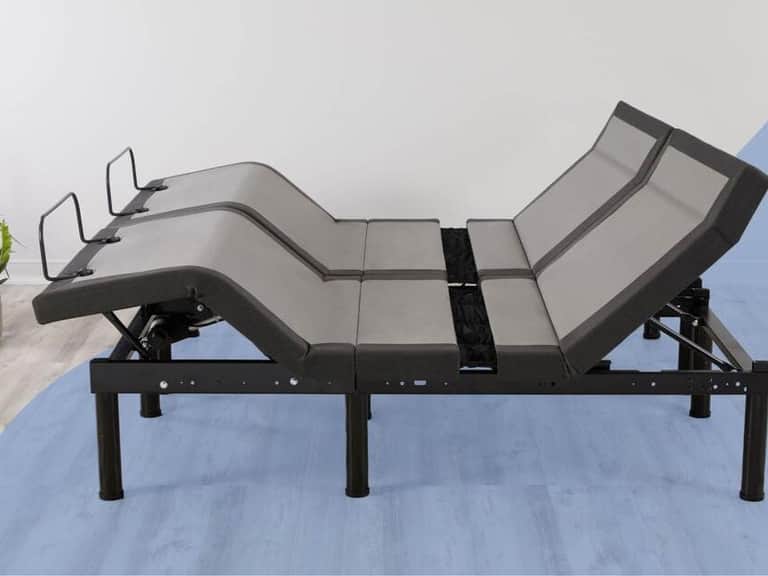
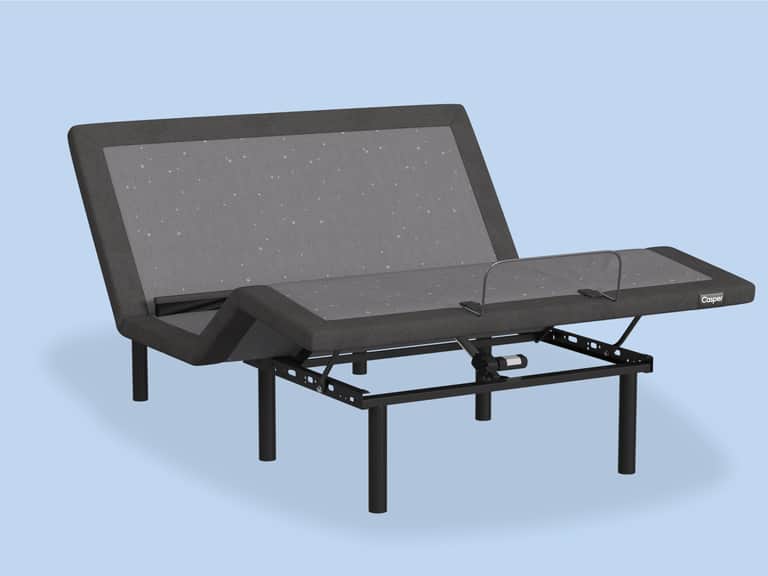
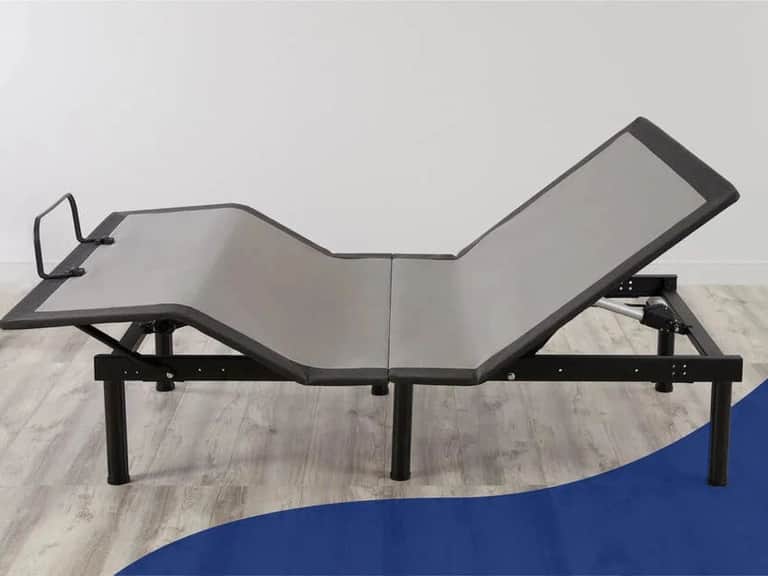
When evaluating beds and related furniture, consider mattress compatibility, height preferences, and ease of maintenance. Organic mattresses and breathable fabrics can influence sleeping temperature and hygiene, while adjustable components may improve alignment and accessibility. For pets, selecting sturdy frames and easy-clean upholstery can extend the lifespan of furniture pieces.
In educational terms, understanding the relationship between furniture design and human factors helps users choose products that support posture, relaxation, and versatile use. The listed Cisco Home models demonstrate how form and function converge to accommodate varied room sizes, activities, and lifestyle requirements, reinforcing the value of thoughtful furniture choices for home environments.
 Furniture